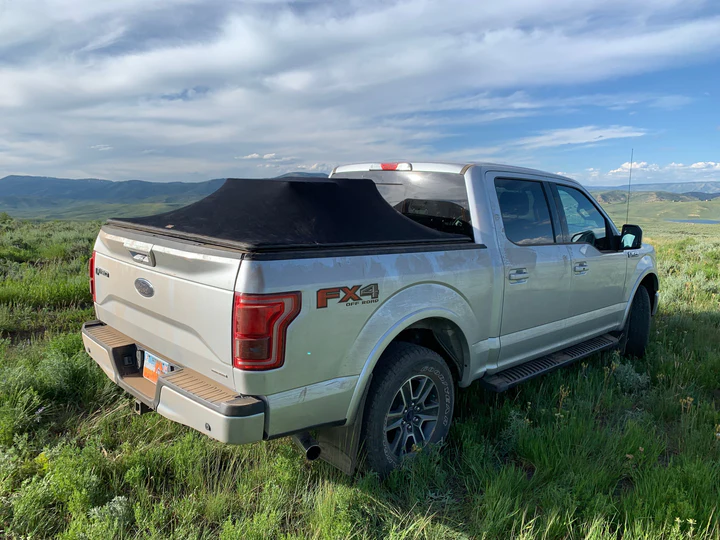
If you own a pickup, you have probably thought about adding a truck bed cover. It is one of the most common truck accessories on the road, and for good reason. A good system can help protect your cargo, clean up the look of your truck, and make day-to-day hauling more practical. But before you buy one, it is worth asking a more useful question than “Do I need a tonneau cover?” The better question is this. What do you actually gain from covering your truck bed, and where do most flat systems start to fall short? That is where things get interesting. Below are five real benefits truck owners look for when they shop for a truck bed cover, followed by the limitation many people do not fully think through until after they buy. 1. Protect Your Gear from Rain, Dust, Snow, and Sun The most obvious reason people buy a truck bed cover is cargo protection. If you are hauling tools, camping gear, groceries, sports equipment, or work materials, you do not want everything getting blasted by weather on the way to your destination. A covered bed helps reduce exposure to rain, road spray, dust, and snow. It can also help limit direct sun exposure on gear that gets damaged or faded over time. That matters more than people think, especially if your truck doubles as rolling storage during the week. It is important to be precise here. Truck bed covers are water resistant, not waterproof. That includes hard covers, soft covers, and adaptive systems. A well-designed setup can keep most weather out in normal conditions, but no pickup bed is a perfectly sealed vault. If you want a deeper breakdown on that point, see our guide on whether truck bed covers are waterproof. Sawtooth approaches weather protection differently than flat systems. Instead of only covering cargo that sits below the rails, the system is designed to maintain coverage over both smaller gear and larger loads that rise above bed height. That added adaptability matters when the weather turns bad and your load is not neatly stacked under a fixed flat panel. 2. Keep Cargo Out of Sight and Less Tempting to Thieves A covered truck bed also helps with security. Most theft is opportunistic. If a passerby can easily see expensive tools, recovery gear, hunting gear, or camping equipment sitting in the bed, the temptation goes up. Cover the bed, and you remove part of that opportunity. That does not mean every truck bed system is a theft-proof solution. It means you are making your truck a less obvious target and adding one more barrier between your cargo and someone looking for an easy grab. This is one of those benefits people appreciate more after they live with it for a while. You stop wondering whether everything in the bed is visible every time you park. If your truck is used for both work and daily life, that peace of mind is worth something. 3. Make the Bed More Useful Day to Day Flexibility is where truck owners start separating what sounds good in theory from what works in real life. Most people do not use their pickup the same way every day. Some days the bed is nearly empty. Some days it is carrying groceries or sports gear. Other days it is loaded with lumber, coolers, jobsite equipment, or something awkward and oversized that does not care about neat dimensions. A truck bed cover helps make the bed more usable because it gives you a protected space without turning your pickup into an SUV. You still keep the open-bed utility, but you gain better control over how cargo is stored and protected. That said, many flat systems only stay useful as long as the cargo fits below the bed rails. Once the load rises above that line, the system often has to be folded away, removed, or left open. That is the exact point where an adaptive cargo management system changes the experience. Sawtooth is built to work with the load instead of forcing the load to work around the system. If you want to see model-specific options, you can browse Sawtooth STRETCH for the Ford F-150, Sawtooth STRETCH for the Toyota Tacoma, or Sawtooth STRETCH for the Chevy Colorado and GMC Canyon. 4. Help Keep Cargo Better Contained and Better Organized A truck bed can get messy fast. Loose gear shifts. Bags slide. Smaller items roll around. Equipment ends up dusty, mixed together, or scattered after a few miles of bumpy road. A covered bed helps create a more controlled cargo space and reduces how much your gear moves around in normal driving. That has two practical advantages. First, it helps you stay organized. Second, it helps keep cargo from becoming a bigger problem on the road. Safe cargo containment matters. The National Highway Traffic Safety Administration notes that drivers are responsible for securing loads so items do not drop, shift, leak, or escape the vehicle. :contentReference[oaicite:1]{index=1} This is another area where flat systems and adaptive systems behave differently. Most flat covers are designed to stay above the load. Sawtooth is designed to tension over cargo and work in contact with real-world loads. That gives truck owners a different kind of utility when hauling larger items that do not sit low and tidy in the bed. If you are new to the category and want a baseline reference point, our blog on what a tonneau cover is is a good place to start before comparing flat systems against adaptive cargo management. 5. Potentially Improve Aerodynamics and Fuel Efficiency This one always gets attention. Some truck owners buy a cover hoping it will help gas mileage. The truth is a little more nuanced than the hype. Aerodynamics does matter. Covering the bed can change airflow over the truck, and aerodynamic performance has been studied in relation to pickup bed configurations and covered cargo setups. :contentReference[oaicite:2]{index=2} That does not mean every cover produces the same real-world
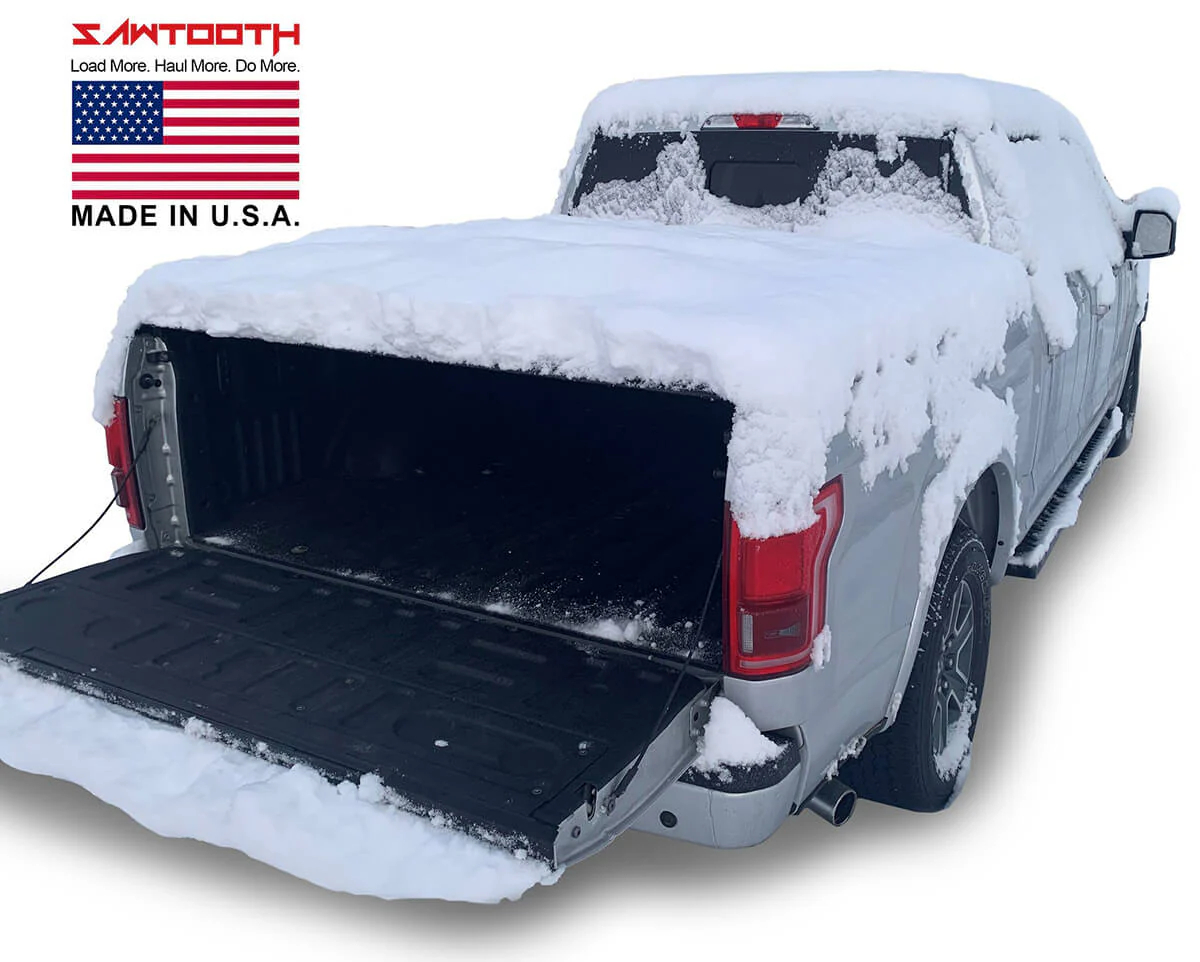
If you are shopping for a truck bed cover, you have probably asked this already. Will it actually keep your gear dry in the rain? It is a fair question. Nobody wants to load up tools, camping gear, or equipment only to find everything soaked after a storm. The answer is simple, but often misunderstood. Truck bed covers are not waterproof. They are water resistant. Understanding what that really means will help you choose the right setup for how you actually use your truck. Are Truck Bed Covers Waterproof? No truck bed cover is fully waterproof. Even the most expensive options have small gaps around the tailgate, bed rails, and corners. Water can still find its way in, especially during heavy rain or while driving at highway speeds. What these systems are designed to do is reduce water intrusion and keep your cargo protected in normal conditions. That is what water resistant really means. Waterproof vs Water Resistant There is a big difference between these two terms. According to material protection standards, waterproof means no water gets through under pressure. Water resistant means the material sheds water and limits how much gets in, but does not create a perfect seal. For most truck owners, water resistant is enough. Your gear stays protected from rain, snow, and road spray, even if a small amount of moisture gets into the bed. Why Water Still Gets Into Truck Beds Even with a well-installed system, some water intrusion is normal. Small gaps around the tailgate Openings along bed rails and corners Wind-driven rain while driving Movement and vibration on the road Truck beds were not designed to be sealed environments. Every system works within those limitations. How Different Systems Handle Rain and Snow Some designs manage water better than others, but none eliminate it completely. Hard Shell SystemsOne-piece fiberglass or aluminum systems tend to keep the most water out because they overlap the bed rails and tailgate. They are effective for protection but limit what you can haul. Retractable SystemsRetractable setups use rails and canisters to extend and store the cover. Many include drainage systems, but they often require drilling into the truck bed. Snow and debris can also affect performance over time. Folding SystemsFolding panels shed water reasonably well, but seams between sections create natural entry points. Over time, those seams can allow more water through. Snap-On SystemsThese are typically more affordable and easy to remove. They provide basic protection but are more prone to leaks, especially during heavy rain or strong crosswinds. The Limitation Most Truck Owners Run Into Water resistance is only part of the story. Most systems only work when your cargo stays below the bed rails. The moment you load something taller, your protection is gone. Kayaks, dirt bikes, coolers, jobsite materials, or stacked gear all sit above that line. At that point, it does not matter how water resistant the system is. Your cargo is exposed. A More Practical Way to Protect Cargo Instead of relying on a fixed flat surface, some systems are built to adapt to what you are hauling. An adaptive cargo management approach stretches over gear, maintains tension, and continues protecting cargo even when it extends above the bed. That means: Rain is deflected instead of hitting exposed gearLarge items stay covered without removing your setupThe system adjusts to real loads, not ideal conditionsSawtooth uses a thick Stretch and Hold composite textile designed to resist water while maintaining tension across the bed. It sheds rain, helps prevent pooling, and protects cargo in real-world conditions. Like any truck bed system, it is water resistant, not fully waterproof. The key difference is that it continues working when cargo extends above the bed rails. How to Improve Water Resistance on Any Setup If you already have a cover, there are a few ways to improve how it handles water. Install All Seals ProperlyMany systems include weather seals to close small gaps. Skipping these during installation reduces performance. Check Drainage SystemsIf your setup uses drain tubes, make sure they are installed correctly and free of debris. Add Tailgate SealsThe tailgate is a common entry point for water. Aftermarket options like tailgate seal kits can help reduce that gap depending on your truck model. What Actually Matters When Choosing a Setup Instead of asking which system is waterproof, ask how you actually use your truck. Do you haul gear above the bed rails? Do you want to remove your setup every time you carry larger items? Do you need flexibility for different types of loads? A system that works in perfect conditions but fails during real use is not solving the problem. The Bottom Line Truck bed covers are not waterproof. They are designed to reduce water exposure and protect your gear in everyday conditions. That works well until your cargo sits above the bed rails. At that point, protection depends on whether your system can adapt to the load you are carrying. Load more. Haul more. Do more.
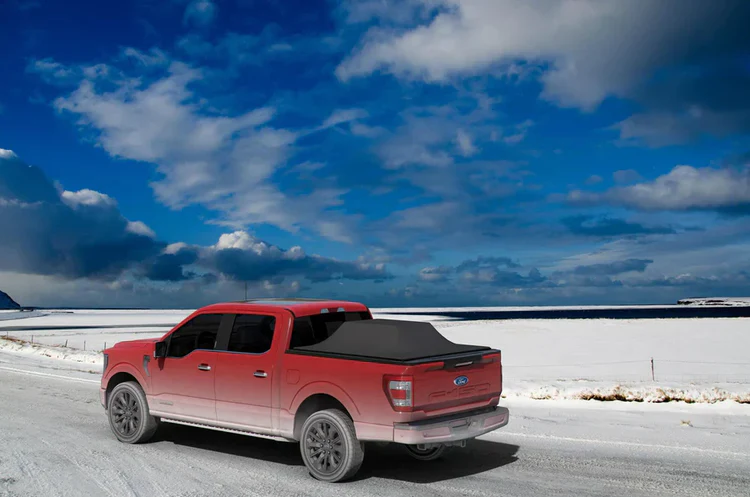
What’s the difference between a camper shell vs tonneau cover? Which type of truck cover should you buy? If you haven’t owned either before you might be wondering how to decide which truck accessory will do a better job protecting your cargo. This blog post will address the basics of truck bed covers, tonneaus and caps, go over what they have in common, then get into the main differences between them. What is a Truck bed cover (Tonneau Cover)? A tonneau is a truck bed cover. Those two terms are interchangeable. Truck bed covers lay flat along the top of your pickup truck bed. Truck bed covers can vary from a hard fiberglass, folding, retractable or roll-up model that attaches to your bed rails with snaps or Velcro. The purpose of a tonneau cover is to provide security and protection for your cargo, both from weather and theft. Other tonneau cover benefits include streamlining the look of your truck and adding functionality and value without fundamentally changing the appearance of your vehicle. Types of Tonneau CoversRead our full guide to the different types of truck bed covers, or get the quick summary of each different style here. Roll up tonneau covers: Roll up covers can come either in a soft material like vinyl, or be made up of hard aluminum or plastic slats with a vinyl cover. They can be rolled up and buckled down with straps at the cab. These are lightweight, but may get in the way of your rear view. Check out some of the best roll up tonneau covers on The Drive’s website. Folding tonneau covers: Folding covers usually come with either 3 or 4 panels. They are a type of hard or soft cover that can be unfolded flat to protect the whole truck bed or portions can be folded back to leave some of the bed exposed. These models may be heavy depending on the material and can require more than one person to install and remove. Hard top tonneau covers: Single piece truck bed covers are made of hard materials, often fiberglass, and can be painted to match your truck. The downside to their extra security is how heavy and difficult to install they are, as well as the fact that you can’t carry any cargo that is taller than your truck’s bed rails since it will prevent the cover from shutting. Snap-on tonneau covers: These are the most affordable type of cover, and the least heavy duty. They are made of a soft textile that can be snapped down along the sides to secure it to your truck. They don’t offer as much security, but can be a good starter tonneau due to their low price. What is a Truck Cap / Camper Shell? A truck cap also covers your truck bed, but has hard sides and a roof that create a tall storage space within your truck bed. Most truck caps are made of aluminum, fiberglass, or composite/plastic and some models have windows along the sides and back. Camper shells come in different heights. Many are cab height so they sit flush with the roof of your truck, while other high rise toppers are even taller, creating more space for your cargo. They typically have hinged, hatchback type, back doors so you can load and unload, and some even have hinged side doors as well. A camper shell gives you a large protected cargo space. We’ve heard truck owners compare their truck cap to a large trunk. As the name suggests, camper shells can be an appealing option for someone who wants to camp in their truck bed in all kinds of weather without having to worry about a tent. Truck Bed Cover vs. Camper Shell Both tonneaus and caps give you protected storage space that you wouldn’t have otherwise with an open truck bed. They are both great at keeping water out of your truck bed. But you’re here because you need help deciding to go with a truck cap vs truck bed cover, so let’s get into the biggest differences between the two styles. Main Differences Between Camper Shells and Tonneau CoversWe’ve split this up into categories so you can see the most important areas where truck bed covers and shells differ. Cargo space: One of the biggest benefits of a camper shell is that it lets you carry large and tall items. Your cargo space increases right away when you install a truck cap. In contrast, most covers limit how much you can carry in your truck bed. However, the Sawtooth A.C.M.S. can stretch to cover big items so you can get the other benefits of a truck bed cover without sacrificing the ability to protect tall cargo. Appearance: Unlike a truck bed cover, a camper shell fundamentally changes the shape of your truck. With a camper shell you are making your pickup truck look more like a minivan or SUV. If you’re a fan of the standard pickup truck silhouette, then a tonneau cover can help you maintain that look. Aerodynamics & Handling: Also unlike a tonneau cover, a camper shell will change how your truck drives and handles. You should be aware that with an increased side surface area of the camper shell, your truck will end up being pushed more to the side when cross winds hit it while driving. Also, the increased weight towards the top will affect turning and maneuverability at higher speeds when using a camper shell. Camping: A camper shell offers rain protection, head space, and windows if you want to sleep in your truck bed. If you’re planning to buy a shell and camp in your truck, be sure to buy a lined model for extra warmth and comfort. However, if you sleep there, you won’t be able to use the full storage area. Unless you want to sleep in your truck often and don’t care about losing the cargo space, you might be better off just upgrading your
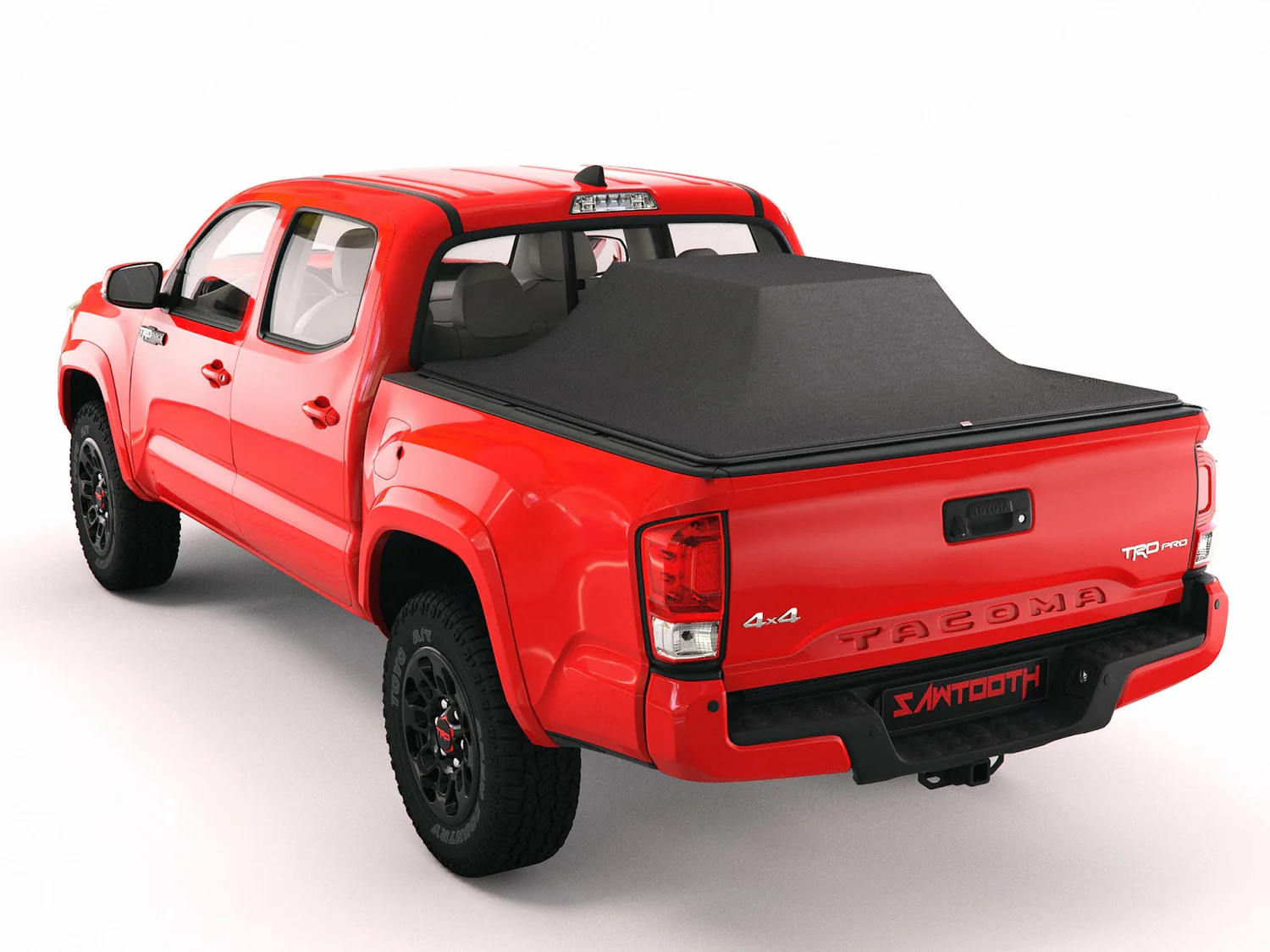
When people start looking for a way to secure cargo in a pickup truck bed, they usually search for a heavy duty tonneau cover or truck bed cover. That makes sense. Those are the terms most truck owners know. The problem is that a tonneau cover or truck bed cover is still built to stay flat. That works for low-profile cargo. It stops working the moment your load gets taller, bulkier, or more irregular than the bed rails allow. If you want real truck bed protection, real utility, and something that holds up over time, you need more than just a flat cover. You need a system that can protect cargo and adapt to the way trucks are actually used. In this blog we’ll go over why heavy duty protection matters, what features actually make a truck bed system durable, and why the Sawtooth ACMS stands apart from a standard tonneau cover or truck bed cover. Reasons to Choose a Heavy Duty Tonneau Cover or Truck Bed Cover No matter what you’re carrying, it’s worth looking for a heavy duty solution. Cheap tonneau covers and basic truck bed covers may look fine online, but many provide limited utility, wear out faster than expected, and leave your gear exposed to weather, dust, and prying eyes. If you’ve ever loaded up skis, tools, camping gear, coolers, or jobsite materials and then headed into rain, wind, snow, or dirt roads, you already know durability matters. A heavy duty system should not just cover the bed. It should keep working when conditions get rough and your cargo does not stay perfectly flat. Here are the top reasons people look for a heavy duty tonneau cover or truck bed cover: Better weather resistance in rain, snow, dust, and sun Better protection for tools, gear, and equipment Less cargo visibility to help discourage theft Longer-lasting performance under repeated use A rugged look that fits the truck Enough strength to handle real cargo contact Features to Look for in a Heavy Duty Durable Truck Bed Cover What actually makes a system heavy duty? It is not just one thing. It is material quality, closure strength, weather performance, and how the system behaves when your load is not ideal. If you see all these attributes, you’re likely looking at one of the best tonneaus for your Toyota or another pickup truck. But there is an important distinction to keep in mind. Most tonneau covers and truck bed covers are still flat systems. That design limit matters. Durable MaterialA lot of buyers get overwhelmed by material types, but the real question is simple: how well does the material hold up when you actually use your truck? Some materials look tough in product descriptions but become less impressive after repeated loading, weather exposure, and cargo contact. People often assume soft truck bed covers are automatically less durable than hard tonneau covers. That is not always true. Thin snap-on vinyl is one thing. Reinforced composite textile is another. The Sawtooth ACMS uses a reinforced composite textile designed for strength, repeated use, and flexibility when cargo does not sit flat. Aluminium tonneaus: Aluminum covers are rigid and strong. They can support weight on top and they hold up well in harsh conditions. Their tradeoff is that they are built around flat cargo. They can also dent, cost more, and become less useful when your load rises above the bed rails. Hard plastic tonneaus: Fiberglass and other hard plastic covers can be durable and sleek. Many people like the paint-matched look. The downside is weight, price, and limited flexibility. When you need to haul something tall, many of these covers have to come off. Thick composite textile systems: The Sawtooth ACMS uses a reinforced composite textile that is significantly thicker than standard soft covers. More importantly, it is not trying to be just another flat cover. It is built to expand over cargo, maintain tension, and keep protecting your gear when the load changes shape. Another thing people overlook is complexity. Truck bed covers with lots of moving parts, especially retractable systems, are more likely to run into wear issues over time. Tracks get dirty. Mechanisms wear down. Parts fail. Simpler systems often prove more durable in the long run. Weather ResistanceOne of the main reasons people buy a tonneau cover or truck bed cover is to protect cargo from weather. That part is obvious. What matters is how well the system keeps doing that after months and years of use. While no system is completely waterproof, most are water resistant. The best designs minimize seams, reduce weak points, and maintain more consistent perimeter coverage over time. This is where flat covers have another limitation. Once cargo pushes them out of their intended shape, they stop sealing the way they were designed to. A system built to adapt has a major advantage here. Firm ClosureA strong closure helps keep out dust, dirt, and water. It also helps keep your cargo out of sight. The Sawtooth ACMS secures with flexible, PVC-coated structural steel reinforced perimeter mounting hooks connected to black anodized aluminum attachment rails. That creates consistent tension across the bed while still allowing you to remove quickly when needed. A firm closure can also help discourage theft. Some systems rely on locks. Others rely on fit and tension. Either way, loose edges and easy access points are not what you want. Ability to Hold Cargo in PlaceThis is where the difference becomes obvious. Most tonneau covers and truck bed covers are built on one assumption: everything stays below the bed rails. That is fine until it isn’t. If you drive a mid or small size pickup truck, you may still haul bikes, kayaks, coolers, camping gear, construction materials, or other loads that rise above the rails. In that case, you need a system that can expand. The Sawtooth ACMS expands over cargo, maintains coverage, and helps stabilize your load without voiding your warranty. That is the line most flat covers cannot cross.
